
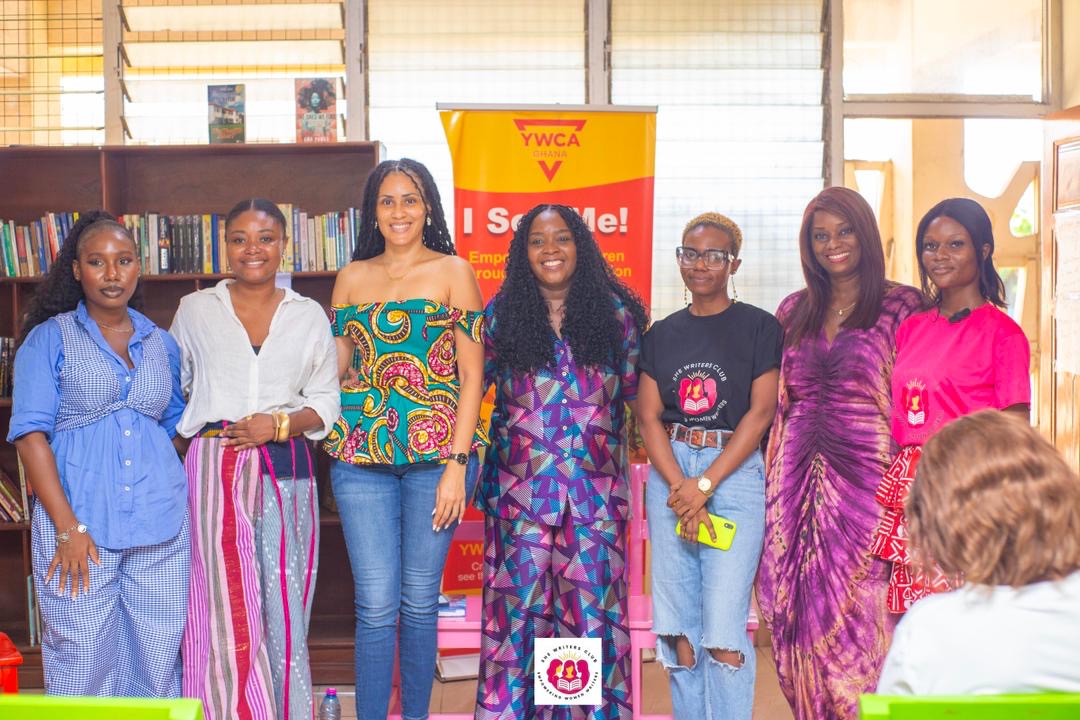
How women writers shape identity, preserve culture and influence how children see themselves and the world.
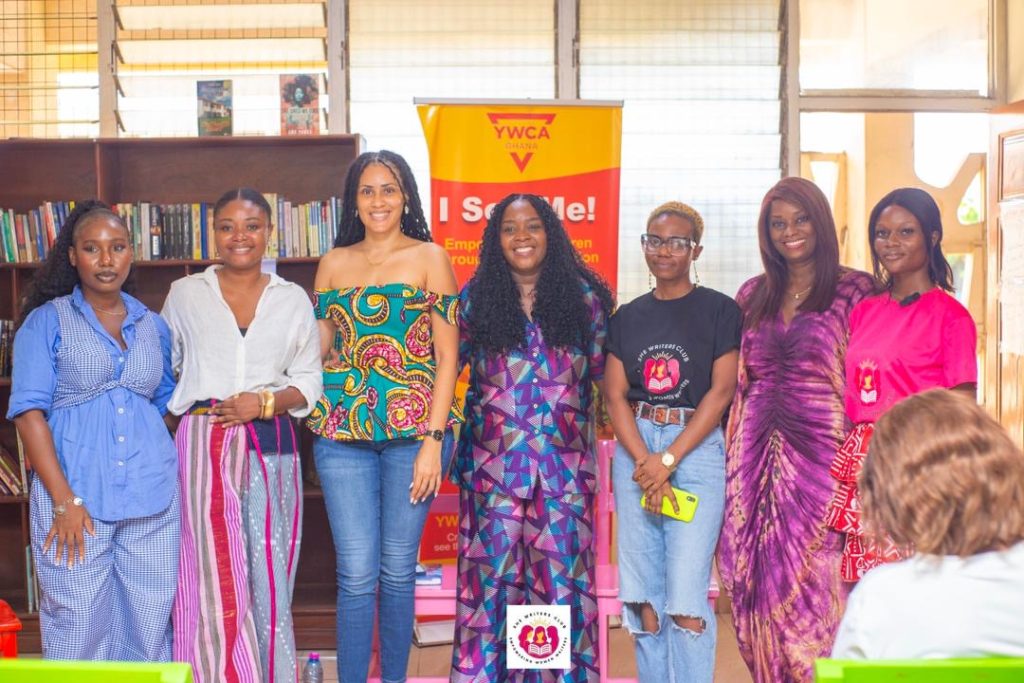
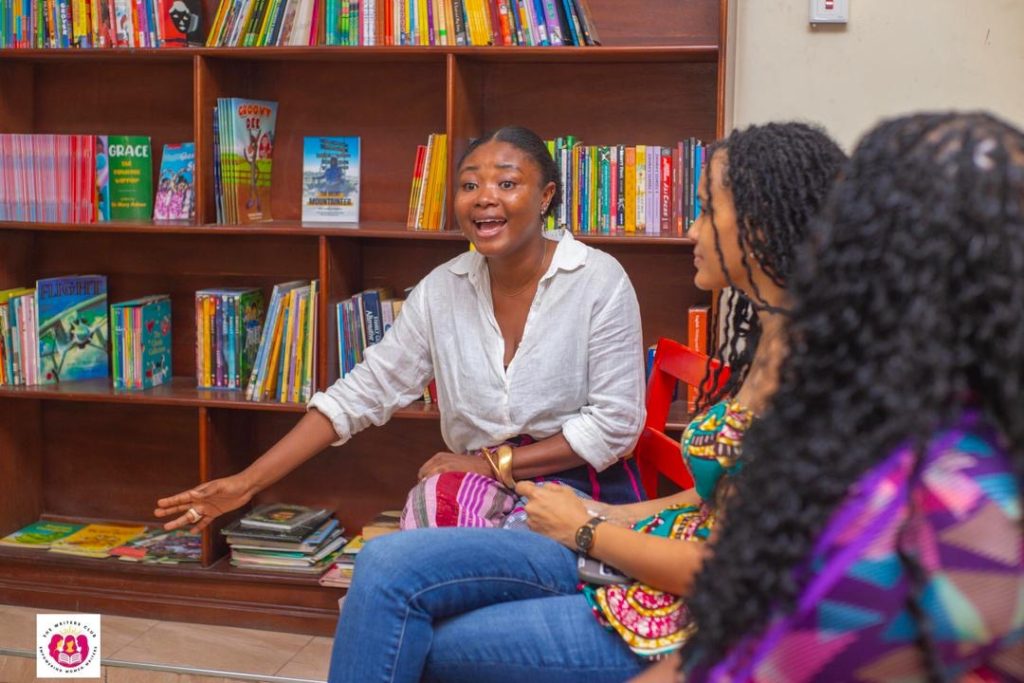
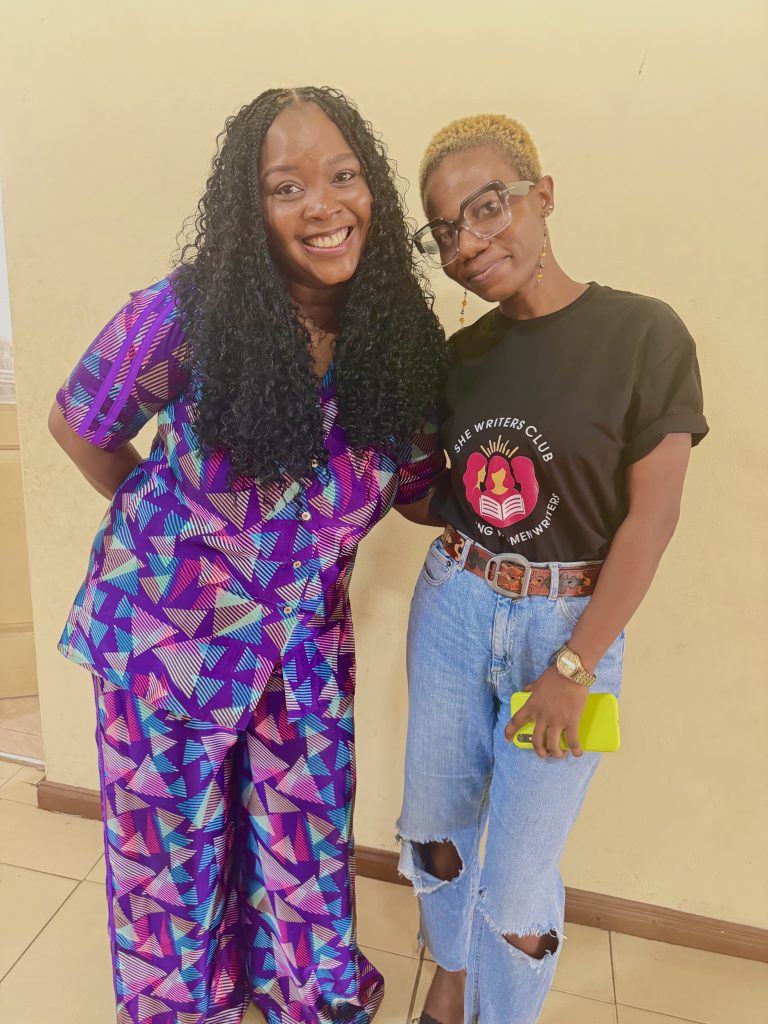
I am grateful to the She Writers Club for the honour of joining a literary gathering of women to discuss the role of women in children’s literature. I walked into that room expecting a conversation. I walked out reminded of a calling. One thing our discussion reaffirmed is that women writers do not just write books; we shape generations.
Through children’s literature, we can influence how children see themselves, understand others and imagine their futures. We Give Children Mirrors.
When children encounter characters with familiar names, skin tones, languages and experiences, they begin to see that their own stories matter.
African children deserve books that reflect their identities, celebrate their cultures and allow them to see themselves as heroes, dreamers and changemakers.
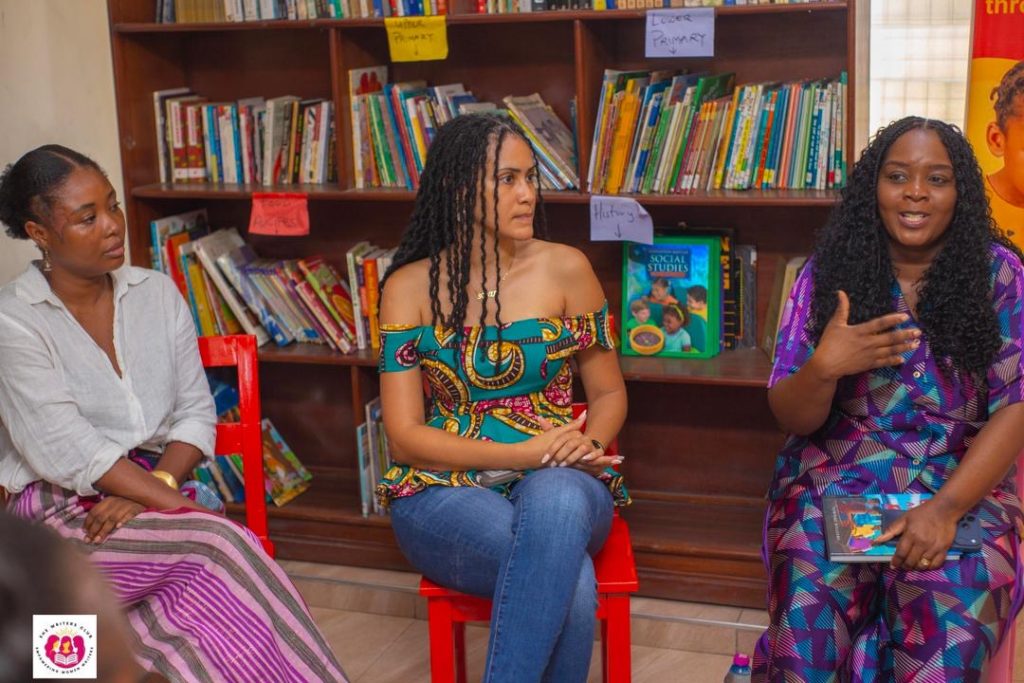
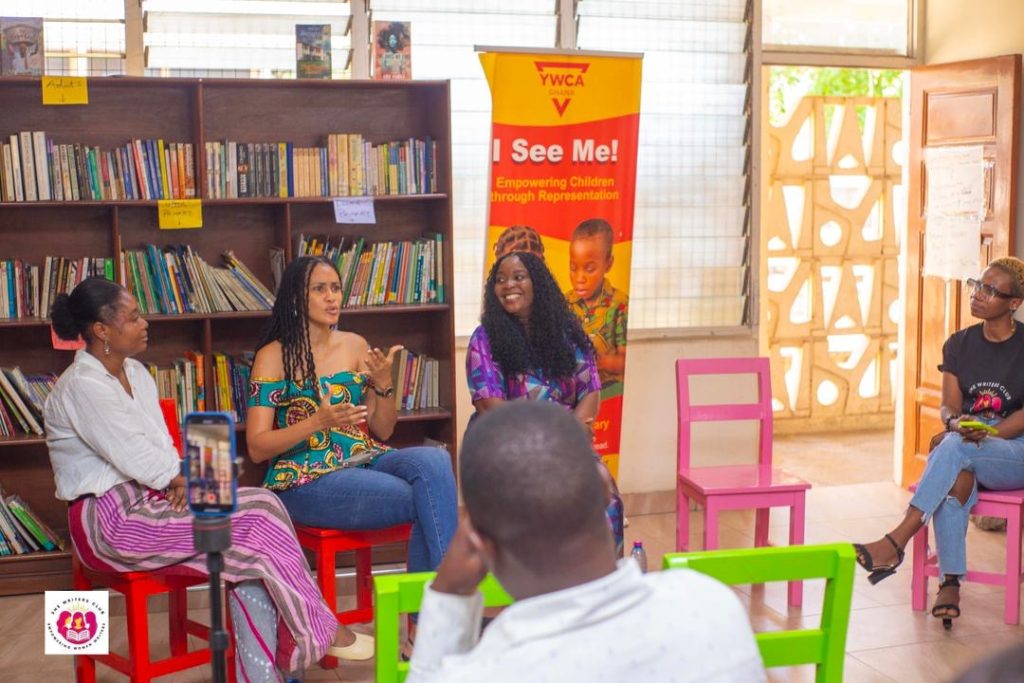
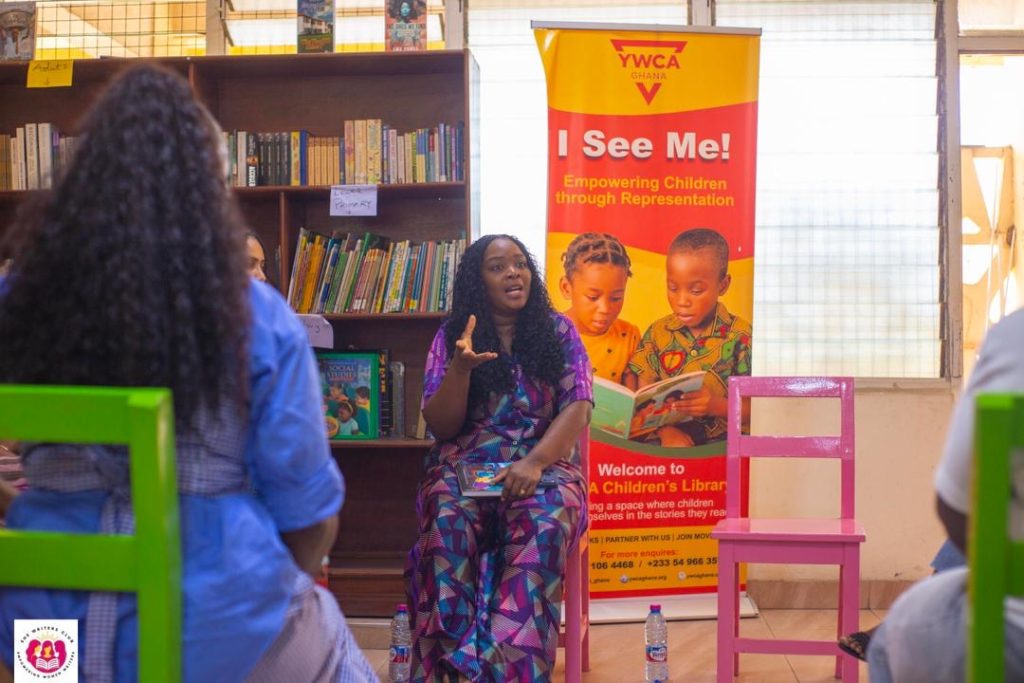
Representation matters because every child deserves to feel seen.
We Are Custodians of Culture
Our grandmothers were among our first storytellers. Through folktales, proverbs, lullabies and family histories, they passed down knowledge, values and traditions.
Today, women writers continue that legacy through stories that preserve our languages, food, festivals, music and heritage. Preserving our culture is not about living in the past; it is about giving future generations something meaningful to build upon.
We Shape How Children See the World
Stories introduce children to different experiences, nurture empathy and expand their understanding of what is possible. They help children develop beliefs about their identity, abilities and place in the world, sometimes long before they encounter these lessons in a classroom. That is why what we write matters.
I was particularly grateful that our conversation took place at YWCA Library, in a space called “I See Me.” What a fitting setting for a conversation about representation!
Thank you, She Writers Club, for creating this platform, and YWCA Library for hosting us.
To the Woman Who Writes for Children
Your story is not small. Your voice is not too soft. Your culture is not too local.
Somewhere, there is a child waiting to see themselves in the pages of your book.
Keep writing. Keep nurturing. Keep telling our stories.
We are shaping generations, one page, one child and one story at a time.